
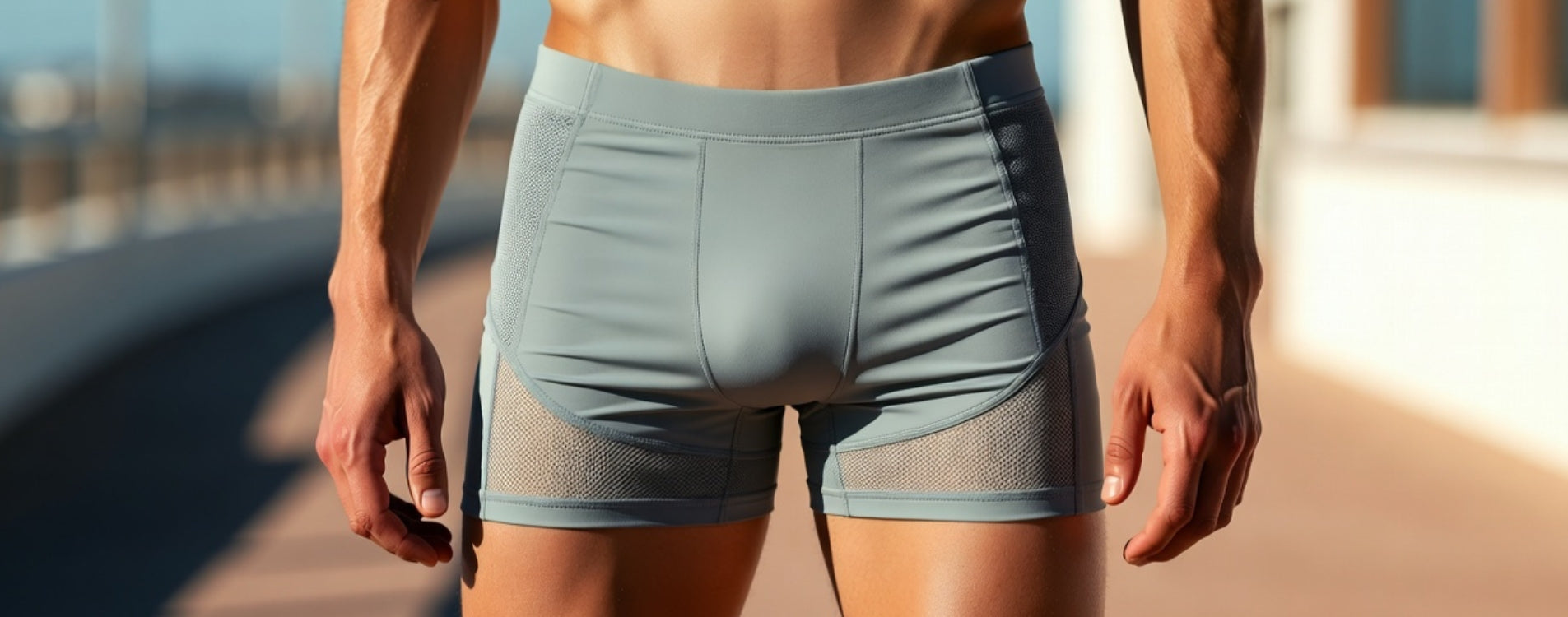
Running should feel freeing, not uncomfortable. But if you have ever finished a run with damp, sticky underwear or painful chafing, you know how distracting sweat can be. The wrong trunks can ruin even the best workout.
Sweat-proof trunks for running are designed to manage moisture, reduce friction, and keep you dry while you move. Unlike regular cotton trunks, they use technical fabrics that pull sweat away from the skin and dry quickly. They also offer a secure fit that stays in place during long or intense runs. The right base layer can turn a frustrating run into a smooth, distraction-free experience.
In this guide, you will learn what makes these trunks different, why sweat control matters, what features to look for, and how to choose the right pair for your runs.
Sweat-Proof Trunks for Running: 9 Key Features

Sweat-proof running trunks are made for movement and moisture control. They are built to handle heat, friction, and constant motion.
Sweat-proof trunks use moisture-wicking fabrics that draw sweat away from the body. Instead of soaking up sweat like cotton, they spread it across the fabric so it dries faster.
Here is how they differ from regular trunks:
- Regular trunks often use cotton that traps moisture
- Sweat-proof trunks use technical fabrics designed for airflow
- Running trunks stay in place and reduce rubbing
- Standard trunks may bunch up or sag during activity
Runners need proper sweat management underwear because trapped moisture can lead to chafing, irritation, and odor. The right pair helps you stay focused on your pace, not your discomfort.
Why Sweat Control Matters During Running
Sweat is natural, but unmanaged moisture can cause problems during a run. Staying dry improves both comfort and performance.
Sweat control helps in several ways:
- Prevents chafing by reducing friction between skin and fabric
- Keeps skin dry, lowering the risk of rashes
- Reduces odor buildup caused by bacteria in damp fabric
- Improves comfort on long runs, especially in warm weather
- Helps prevent skin irritation in high-friction areas
When your base layer works with your body, every mile feels easier.
Key Features of Sweat-Proof Trunks for Running
Before buying, it helps to know what separates high-quality trunks from average ones. The details matter more than most runners realize.
Moisture-Wicking Fabric
The fabric is the most important feature. It should move sweat away from your skin instead of absorbing it.
Look for:
- Fabric that pulls moisture outward
- Quick drying performance
- Materials like polyester blends, nylon, or modal performance fabrics
These fabrics help you stay dry even during high-intensity runs.
Breathability
Good airflow keeps heat from building up under your shorts.
Quality trunks may include:
- Airflow panels or mesh zones
- Lightweight construction
- Fabric designed to release heat
Breathability keeps your skin cooler and more comfortable.
Anti-Chafing Design
Design plays a big role in comfort.
Key elements include:
- Smart seam placement away from high-friction areas
- Flatlock seams that lie smooth against the skin
- Stretch support that moves with your stride
This reduces rubbing and hot spots on long runs.
Secure Fit
Fit should feel supportive without feeling tight.
Look for:
- Snug but flexible design
- No riding up during movement
- Waistband that stays flat and does not roll
A secure fit prevents constant adjustments mid-run.
Odor Control
Sweat alone does not cause odor. Bacteria in damp fabric do.
Good trunks may feature:
- Anti-bacterial fabric
- Odor-resistant treatment
- Quick-dry materials that reduce moisture buildup
This keeps your gear fresher between washes.
Best Materials for Sweat-Proof Running Trunks

Fabric choice affects comfort, durability, and moisture control. Not all materials perform the same.
Modal Blends
Modal blends feel soft against the skin and offer decent moisture control.
Pros:
- Very soft and smooth
- Comfortable for sensitive skin
- Good breathability
Cons:
- May not dry as fast as pure performance fabrics
Polyester Performance Fabric
Polyester is common in athletic wear for a reason.
Pros:
- Excellent moisture-wicking
- Fast drying
- Durable
Cons:
- Can feel less soft than natural blends
Nylon and Spandex Mix
This blend offers stretch and structure.
Pros:
- Strong stretch support
- Smooth feel
- Good shape retention
Cons:
- May trap heat if not designed with airflow panels
Bamboo Fabric
Bamboo-based fabrics are known for softness and natural breathability.
Pros:
- Soft and lightweight
- Naturally breathable
- Comfortable for daily wear
Cons:
- Not always as durable as synthetic blends for intense training
Fit Guide for Running Trunks
Even the best fabric will not help if the fit is wrong. Comfort starts with proper sizing.
When choosing your trunks, consider:
- Trunk length that prevents inner thigh rubbing
- Compression vs relaxed fit, depending on support preference
- Waistband comfort that stays in place
- Leg grip features that prevent riding up
Always check size charts and avoid sizing down for extra tightness. Too tight can restrict movement and airflow.
When to Wear Sweat-Proof Trunks
These trunks are not just for race day. They are useful anytime sweat is part of the plan.
They are ideal for:
- Long-distance running
- Marathon training
- Hot weather runs
- Gym treadmill sessions
If you sweat heavily or run in humid climates, they become even more important.
Care Tips to Maintain Sweat-Proof Performance
Performance fabrics need proper care to stay effective.
Follow these simple steps:
- Wash in cold water
- Avoid fabric softener, which blocks moisture-wicking fibers
- Air dry when possible
- Replace when elasticity fades or fabric thins
Proper care keeps your trunks performing like new.
Signs Your Running Trunks Are Not Sweat-Proof
Sometimes you do not realize your gear is the problem.
Watch for these warning signs:
- Constant damp feeling during runs
- Chafing despite using anti-chafe products
- Strong odor even after washing
- Fabric that takes a long time to dry
If you notice these issues, it may be time to upgrade.
Quick Buying Checklist
To make your choice easier, keep this checklist in mind:
- Moisture-wicking label
- Breathable panels
- Flat seams
- Stretch fabric
- Odor control treatment
A quick review of these features can save you from discomfort later.
Conclusion
The right sweat-proof trunks for running can make a real difference in comfort, hygiene, and performance. By choosing moisture-wicking fabrics, breathable construction, and a secure fit, you protect your skin and stay focused on your goals. Whether you are training for a marathon or heading out for a short jog, investing in high-quality running trunks is a simple upgrade that pays off every mile.
Frequently Asked Questions
Are sweat-proof trunks better than cotton for running?
Yes. Cotton absorbs and holds sweat, which can cause chafing and odor. Sweat-proof trunks move moisture away from your skin and dry much faster.
Should running trunks be tight or loose?
They should be snug but not restrictive. A secure fit prevents riding up while still allowing full range of motion.
How often should I replace running trunks?
Replace them when the fabric loses stretch, takes longer to dry, or no longer manages sweat effectively. Heavy runners may need new pairs sooner.
Can I wear sweat-proof trunks for other workouts?
Absolutely. They work well for gym training, cycling, hiking, and any activity where sweat control matters.
Share:
Best Boxer Briefs for Gym Workouts: 6 Key Features
Breathable Thongs for Yoga: 9 Comfort Factors